AI CCTV in India: What Shop Owners and Societies Should Know Before Buying
A plain-language guide to AI CCTV cameras in India — edge vs cloud, bandwidth on Indian broadband, Hikvision compatibility, and when upgrading beats replacing your NVR.
If you manage a shop in Karol Bagh, a warehouse near Bhiwandi, or the CCTV committee at a Pune housing society, you have probably seen ads for “AI cameras” that promise to catch every intruder, count every customer, and read every plate — all from a single cloud subscription. Some of that is real. A lot of it is repackaged motion detection with a chatbot slapped on the brochure.
This guide is not a product pitch. It is what we have learned deploying AI on existing Indian CCTV setups: what the technology can do on your network, what it cannot, and where most buyers waste money.
What “AI CCTV” actually means in 2026
Traditional CCTV records video. You rewind when something goes wrong. AI CCTV adds a layer that understands frames — person, vehicle, package, sometimes a face or a number plate — and only keeps or alerts on what matters. In India that distinction matters because upload speeds are uneven and DVR storage fills up in days if you record 16 channels at full bitrate.
There are three common architectures:
- Camera-side AI — built into new IP cameras (Hikvision DeepinView, Dahua WizMind, etc.). Works well if you are already replacing hardware.
- Cloud-only AI — sends video or frequent snapshots to a remote server. Simple to sell, painful on 50–100 Mbps shared society lines.
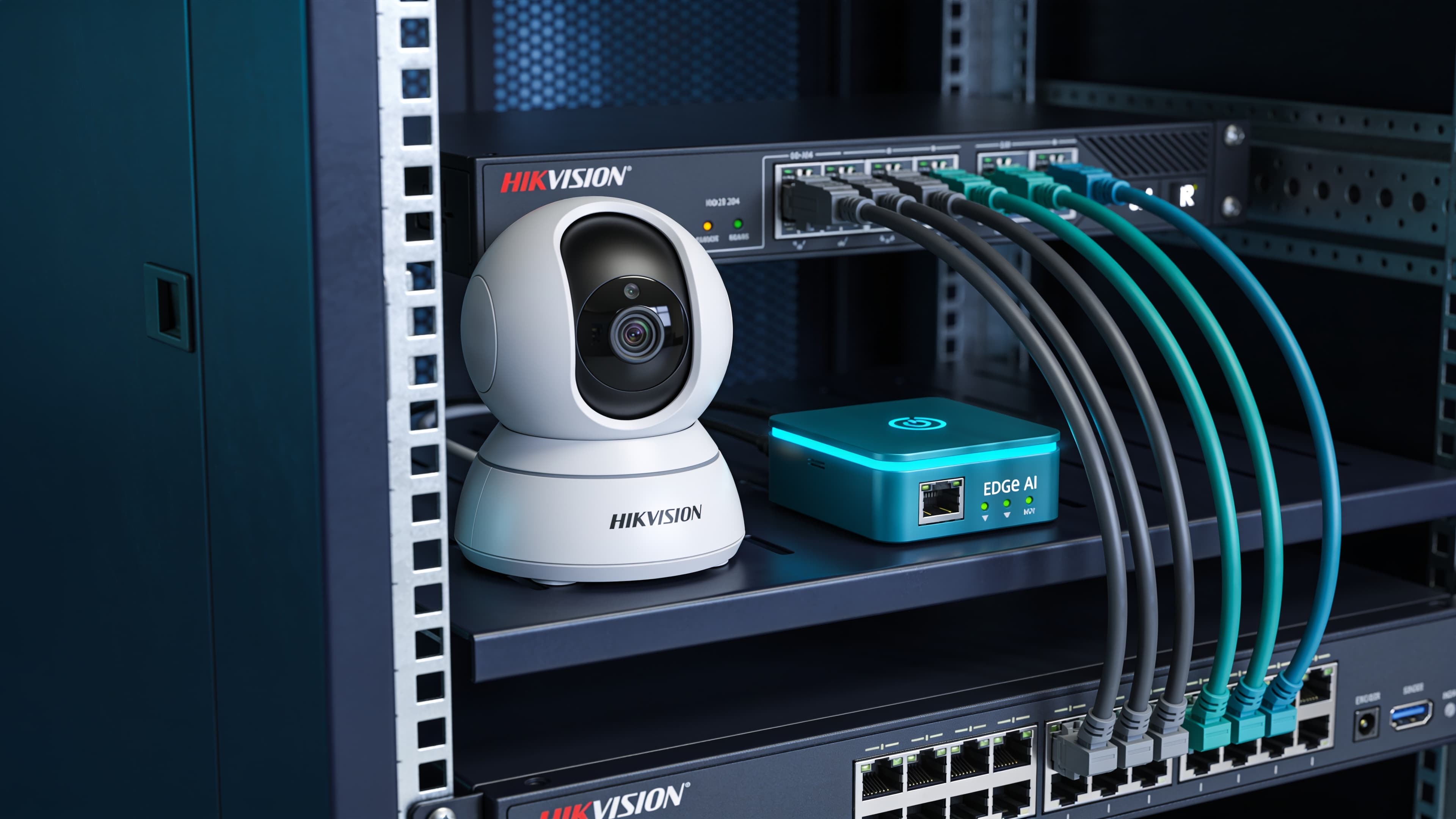
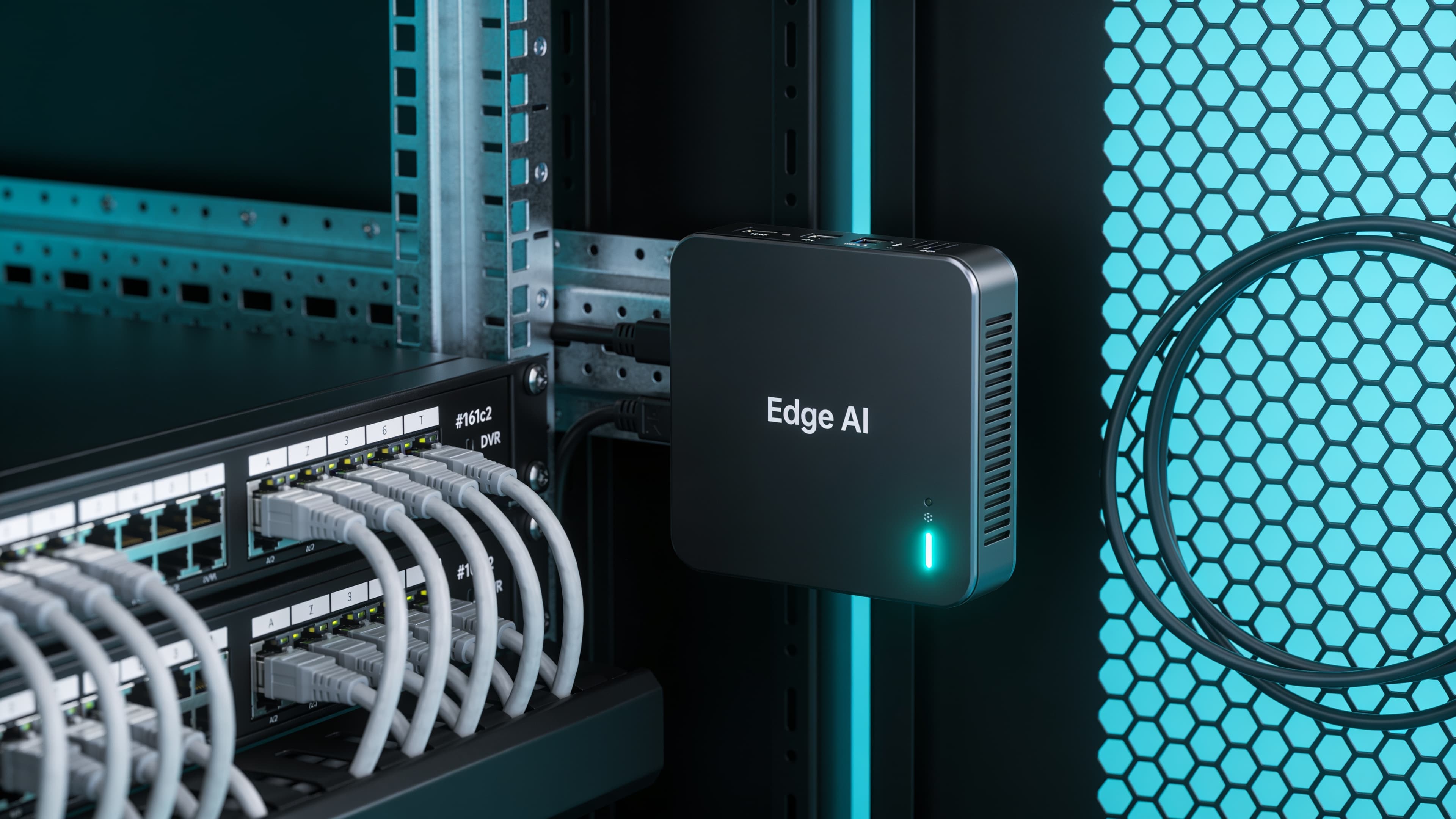
- Edge + cloud hybrid — a small on-site box runs detection locally, uploads event frames for search, ANPR, and long-term review.
For most Indian sites with working RTSP cameras, the hybrid model is the least disruptive. You are not ripping out CP Plus or Honeywell NVRs that the electrician installed three monsoons ago.
Questions to ask any vendor (including us)
- Does it work with my existing RTSP URL, or do I need new cameras?
- How many Mbps does it use at peak — not average — during a busy evening?
- Who owns the footage if I stop paying? Can I export it?
- Are alerts rule-based (person in zone X) or just “something moved”?
- Is ANPR included or a separate SKU, and does it handle Indian plate formats?
- What happens when power cuts and the UPS only covers the router for 20 minutes?
Where AI CCTV pays off in Indian use cases
Gated communities and RWAs
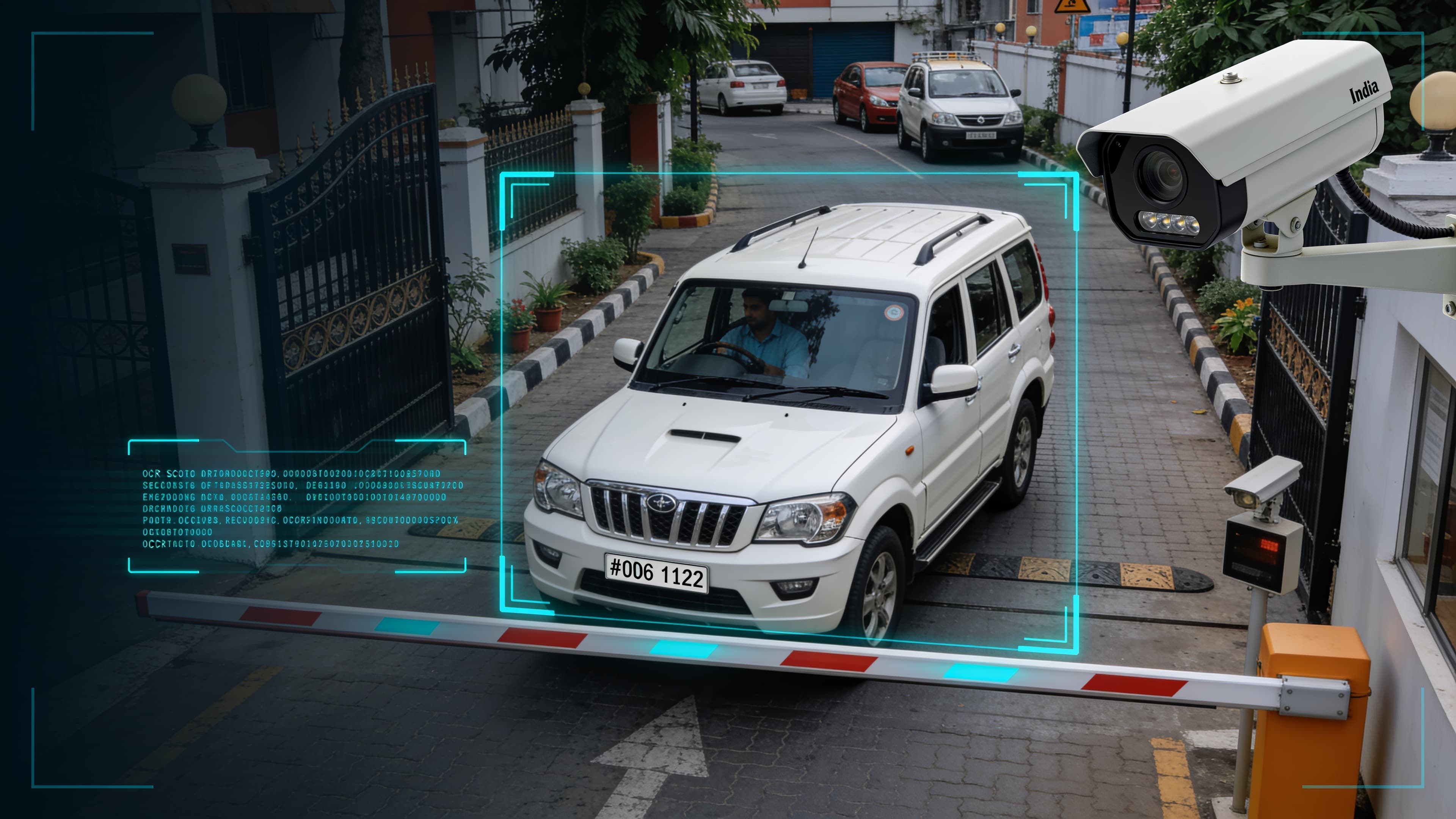
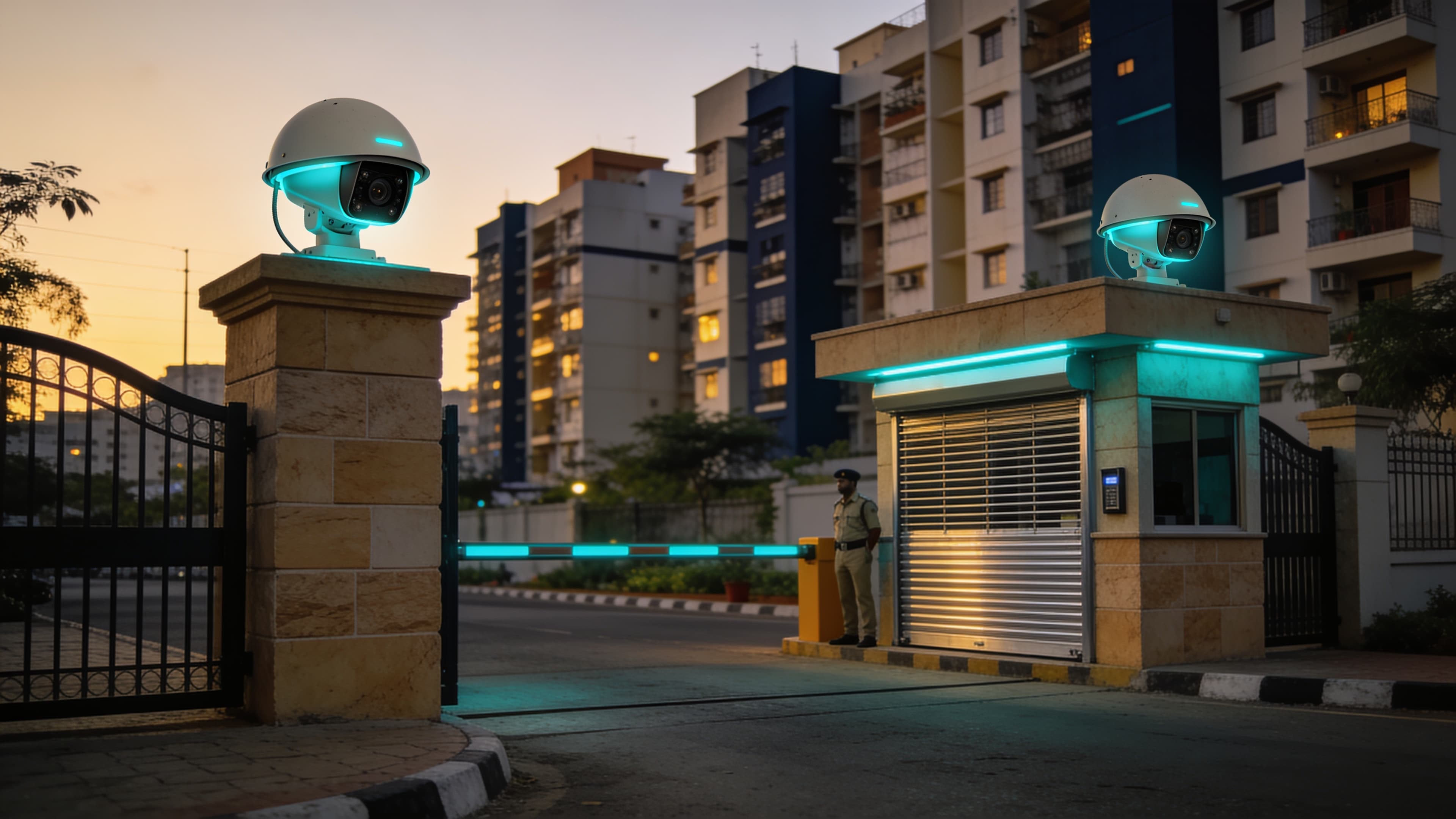
Gate cameras see thousands of faces and plates a day. Manual log books do not match reality. Useful AI here is not generic “intrusion” — it is vehicle at boom barrier, person tailgating, or a bike entering after midnight in a zone you marked as quiet hours. Telegram alerts to the security supervisor beat emailing a 200 MB clip.
Retail and showrooms
Queue length and footfall are nice. Theft after closing is urgent. Shop owners tell us they care more about after-hours person detection in the cash counter region than fancy heatmaps. If review takes six taps on a phone, guards actually use it. If it needs a desktop DVR client, they will not.
Warehouses and small factories
Loading bays benefit from vehicle detection plus optional ANPR for dispatch logs. The mistake we see is enabling alerts on the full yard — pigeons, shifting tarps, and headlight glare create alert fatigue by Tuesday.
Bandwidth and storage: the India-specific math
A single 1080p H.264 stream at 15 fps is often 2–4 Mbps. Sixteen channels can saturate a 100 Mbps line before any AI upload. Edge detection with motion gating typically sends a fraction of frames — only when a person or vehicle is present — which is why hybrid systems survive real Indian connectivity better than “send everything to the cloud” pitches.
Storage is the other half. NVR disks are cheap until you need 90 days at high resolution. Cloud indexing of event frames lets you search “person with red bag near aisle 3” without keeping every hour of raw video in AWS. Your compliance officer may still want 30-day raw retention on-site; that is fine. AI does not have to replace that.
Common mistakes we see after install
- Pointing a wide-angle camera at a busy road and wondering why every auto-rickshaw triggers an alert.
- Skipping a test week to tune zones before enabling Telegram to the whole committee.
- Buying ANPR without checking night IR glare on white plates.
- Assuming “AI” replaces a guard. It reduces scrub time; it does not eliminate staffing decisions.
- Ignoring firmware on old NVRs — RTSP paths change after updates.
How to pilot without a full rollout
Pick one painful camera: society main gate, shop shutter, or warehouse loading door. Run AI there for two weeks. Measure false alerts, review time per incident, and peak bandwidth. If those three improve, expand channel by channel. Full-site rollouts on day one sound impressive in proposals; they are how projects get paused at the AGM.
If you already have Hikvision, Dahua, or CP Plus IP cameras with RTSP, you can usually add an edge layer without a new NVR. We wrote a separate walkthrough on that process for committees comparing quotes.
Bottom line
AI CCTV in India is worth it when it respects your existing hardware, your bandwidth, and how guards actually work on phones. Treat vendor claims as hypotheses. Run a small pilot. Tune zones. Then scale. The societies and shops that get lasting value are rarely the ones that bought the most channels on day one — they are the ones that fixed one gate properly first.
Running AI on existing cameras at your site? Request a SpyDocs demo — we verify RTSP compatibility and walk through gate or shop zones before you commit to a full rollout.