ANPR on Indian CCTV: Gates, Parking, and the Details Vendors Skip
How automatic number plate recognition works on CCTV in India — plate angles, night IR, society boom barriers, search by registration, and realistic accuracy expectations.
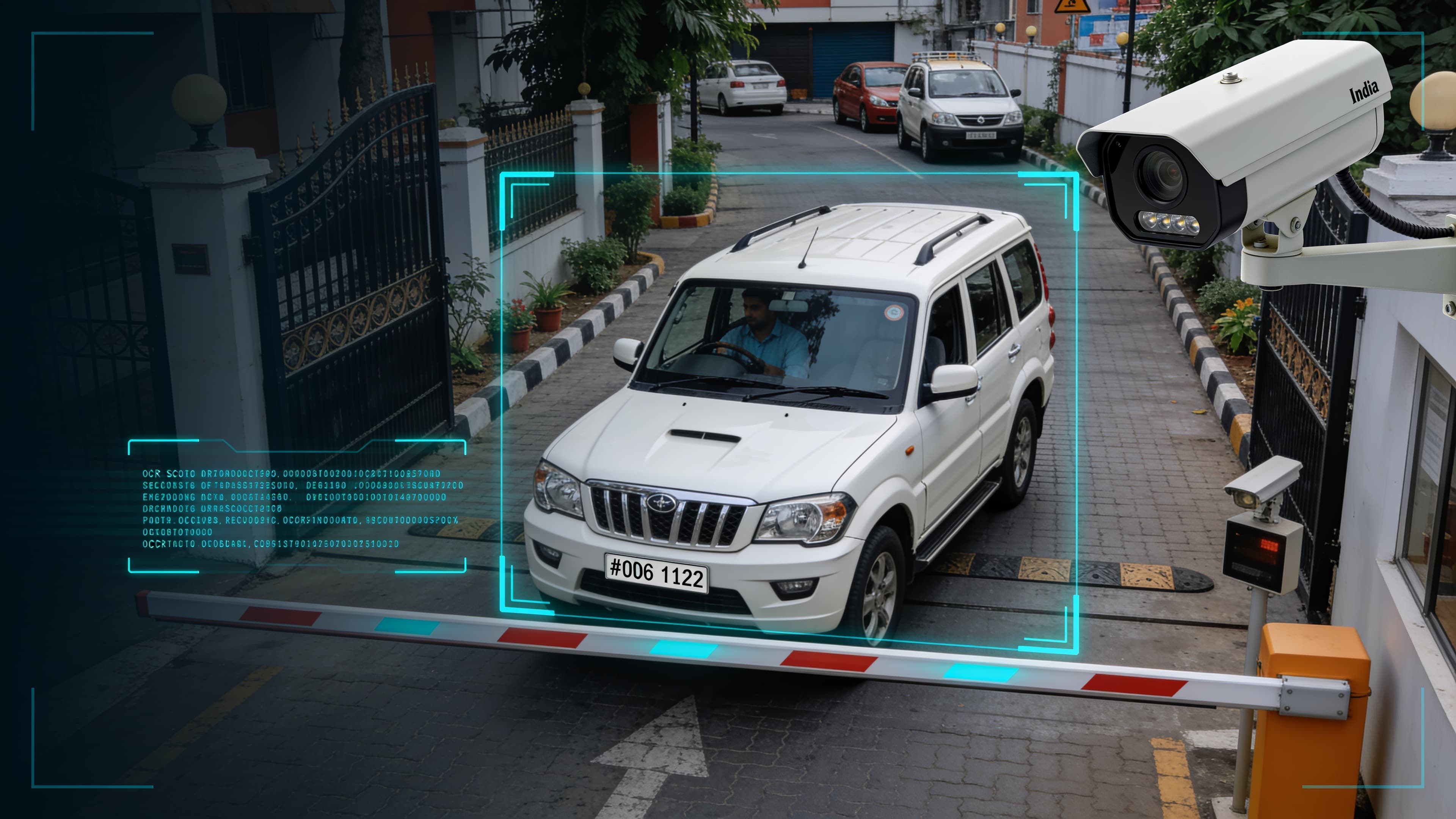
Every RWA treasurer has sat through a vendor demo where a car plate appears on screen in half a second. The demo camera is level, the plate is clean, the lighting is perfect. Then monsoon hits, the installer angles the bullet camera toward the boom barrier for “better view of the driver,” and your ANPR log fills up with partial reads and blank entries.
Automatic number plate recognition on CCTV is genuinely useful for Indian gates, basements, and loading bays. It is also easy to oversell. This article covers how ANPR actually works on existing IP cameras, what accuracy looks like in practice, and how to set up a gate so your security team trusts the data.
ANPR is two problems, not one
First you need to know a vehicle is there — detection. Then you need to read the plate — OCR. Many “smart cameras” blur these together. On a society gate you care about both: a bike without a readable plate is still an event, but you will not search for it by registration number later.
- Detection — usually YOLO or similar on the edge or in cloud, finds vehicle bounding boxes in frame.
- OCR — crops the plate region and runs character recognition, often in cloud where models handle Indian font variants better.
- Indexing — stores plate text with timestamp and camera ID so you can search “MH 12 AB 1234” last Tuesday.
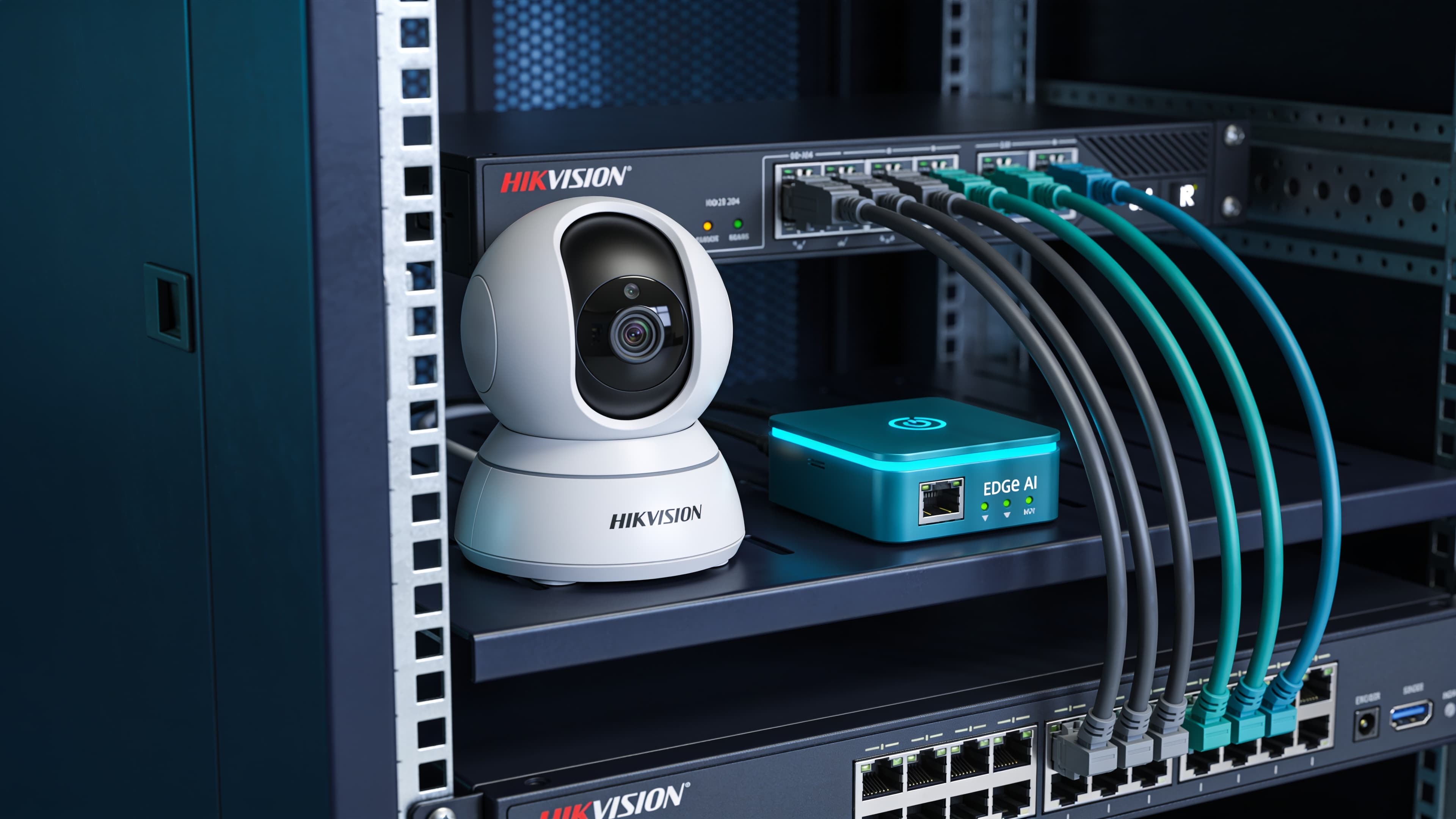
SpyDocs follows that split: edge device catches vehicles locally, uploads frames with plates for OCR and search. That keeps bandwidth lower than streaming full video for recognition.
Indian plate formats and real-world noise
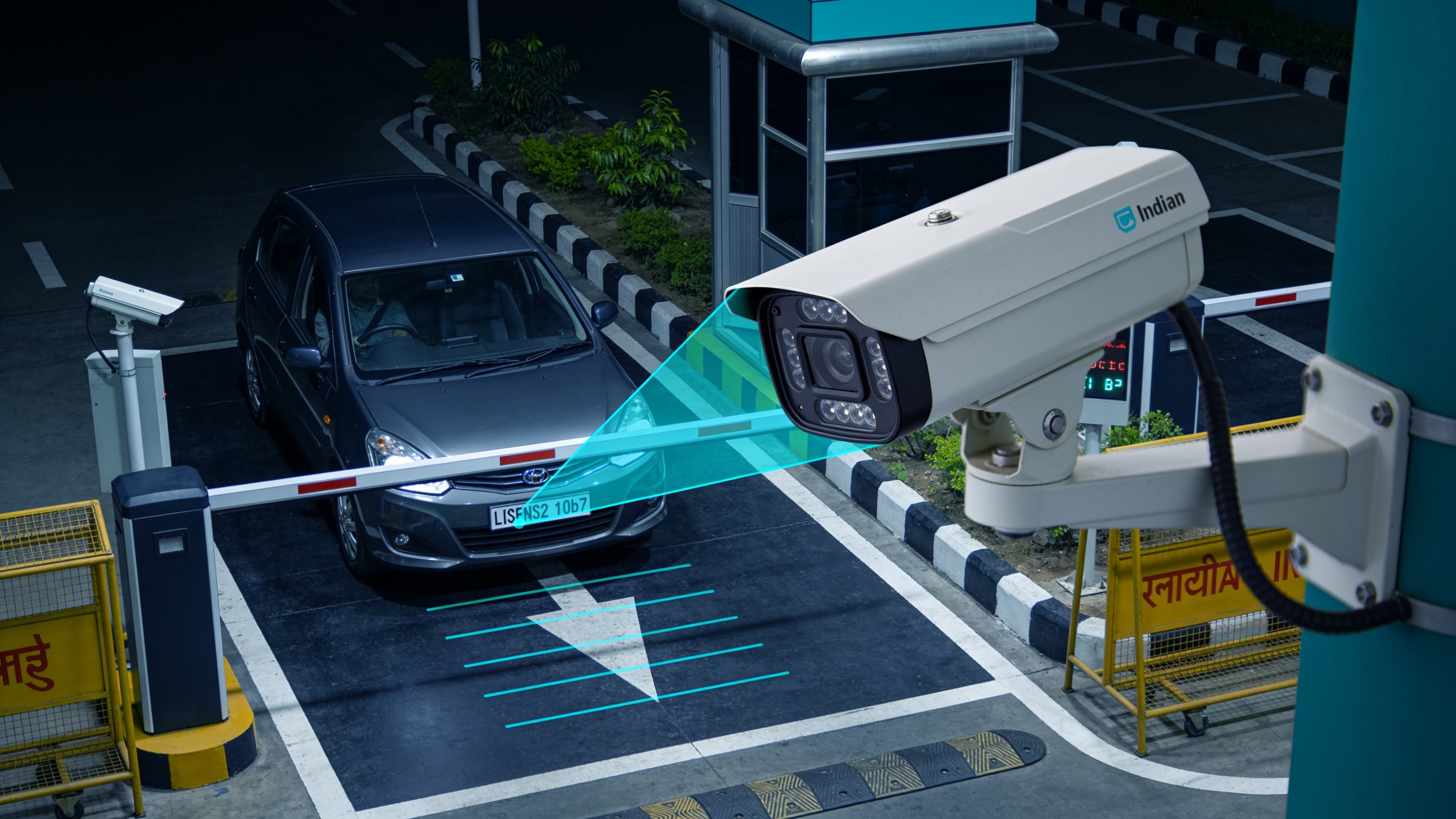
Standard white plates, yellow commercial plates, temporary paper tags, dealer plates, and the occasional mud-covered SUV from a weekend trip — your OCR pipeline will see all of them. Good systems return a confidence score and let you fuzzy-search partial reads. Bad systems force exact matches and your guard goes back to the handwritten register.
High-security sites sometimes want deny lists for stolen or unpaid vehicles. That only works if recognition is consistent enough that the committee does not get fifty false blocks during Navratri visitor rush.
Camera placement checklist for society gates
- Mount for plate height on the approach lane, not the windshield.
- Keep the plate within 15–30 degrees of perpendicular to the lens.
- Separate camera for driver face if you need it — do not compromise plate angle.
- Watch headlight bloom at night; IR reflectors on plates can blow out OCR.
- Leave margin in frame — plates move during barrier stop-start.
- Test during rain. If OCR dies in drizzle, fix angle or exposure before go-live.
Use cases beyond the main gate
Basement parking entries
Low light and tight ramps are harder than the main gate. A second camera lower on the wall often outperforms one fisheye trying to do everything.
Retail loading bays
Dispatch teams want time-stamped proof that a truck arrived. Search by last four digits of the plate is enough for many shops; full plate indexing saves arguments with logistics partners.
Warehouse and fleet yards
Multiple lanes need multiple tuned zones. One wide shot of the whole yard is fine for overview; ANPR needs a dedicated lane camera.
Privacy and committee politics
Residents ask where plate data lives and who can search it. Answer clearly: cloud region, retention days, which roles see logs. Indian societies have legitimate concerns about visitor data — document access policy before enabling search for every flat representative.
Integrating ANPR with alerts
Raw plate logs are boring until you attach rules: unknown vehicle in basement after 11 pm, same plate re-entering five times in ten minutes, commercial vehicle in resident-only lane. Pair ANPR with Telegram or push alerts so the guard gets a plate string and a thumbnail, not another app to check when the boom is already open.
Pilot plan for your site
Run two weeks on inbound lane only. Export daily CSV of reads versus manual register. If mismatch rate is acceptable to your committee, add outbound or basement. If not, fix camera angle before blaming “AI.”
Most Indian sites already have RTSP cameras that can feed ANPR without new hardware — the win is placement, exposure, and search that fits how guards work.
Running AI on existing cameras at your site? Request a SpyDocs demo — we verify RTSP compatibility and walk through gate or shop zones before you commit to a full rollout.